How Disability Support Workers Help Build Independent Living Skills
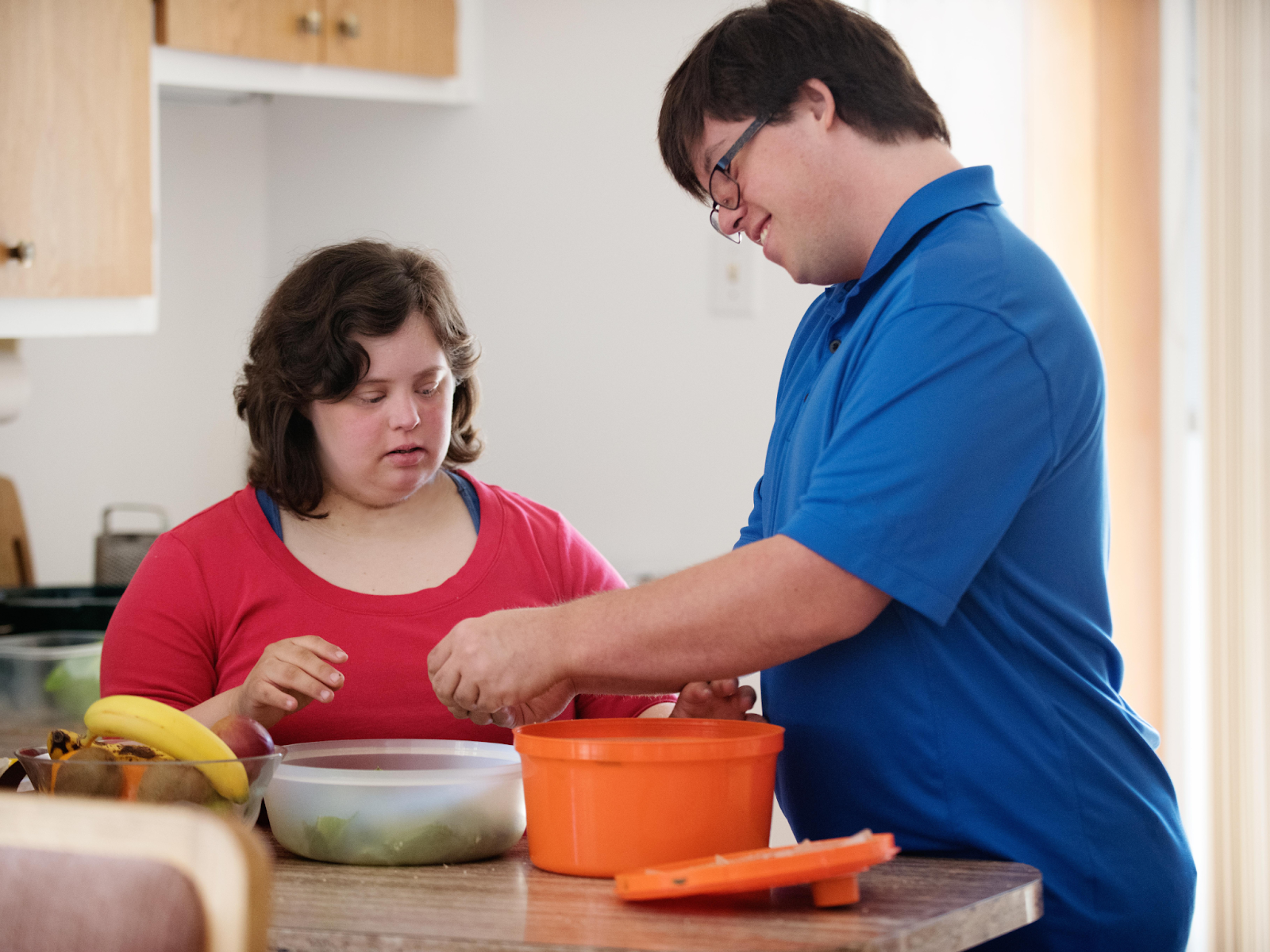
Skill-building support is about doing tasks together
Independent living skills are the everyday tasks that help a person feel capable, safe, and in control of their life. Disability-related barriers can make these skills harder or slower to learn.
A good disability support worker can make a real difference. Done well, support work isn’t about doing everything for someone. It’s about doing things with someone, building skills step by step, and gradually reducing support where possible.
What “independent living skills” includes
Independent living can include personal care routines, cooking, cleaning, planning appointments, shopping and budgeting, using transport safely, and self-advocacy. Many of these supports sit within common plan categories such as assistance with daily life and participation supports.
Where this fits in the NDIS
Support worker assistance must still link to disability needs and goals and meet “reasonable and necessary” criteria.
What great support work looks like
Participant-led, skill-focused (not just task-focused), routine-building, and respectful of privacy and safety. These expectations align with the NDIS Code of Conduct.
A simple example: cooking a meal
Start with one simple meal and repeat it. Practice kitchen setup, ingredient prep, timing, and cleanup. Over time, the worker steps back. The participant leads more.
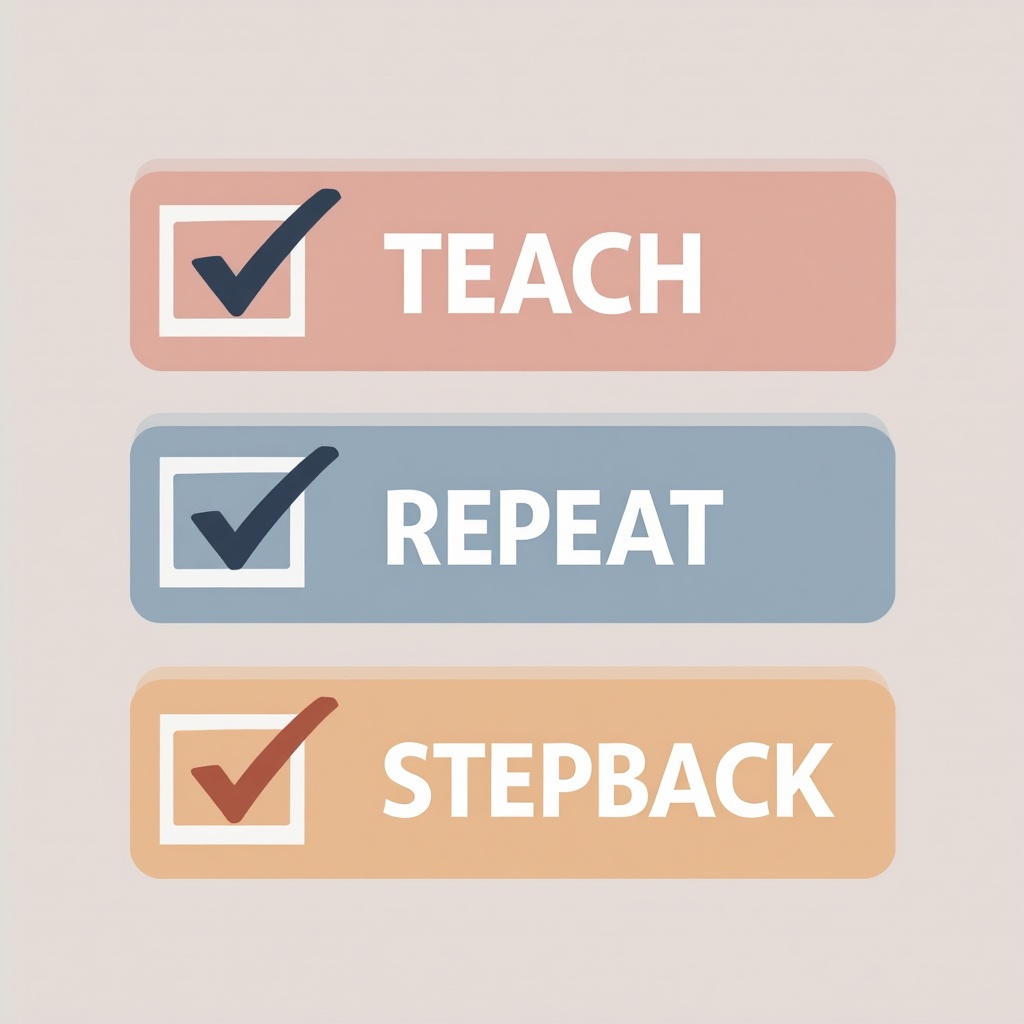
Preventing learned dependence
The fix is better support design: identify what the participant can do today, use prompts, adapt the environment, and build repeatable routines.
How families can guide support
Agree on what “independence” means, what prompts work, how progress will be tracked, and what the plan is during fatigue or overwhelm.
Where OptimumCare Plus fits
OptimumCare Plus supports practical skill-building with calm, respectful routines.
General information only: NDIS supports vary by person and plan. Check current NDIA guidance or speak with your planning team.